
Recycling targets of vehicle-derived glass material
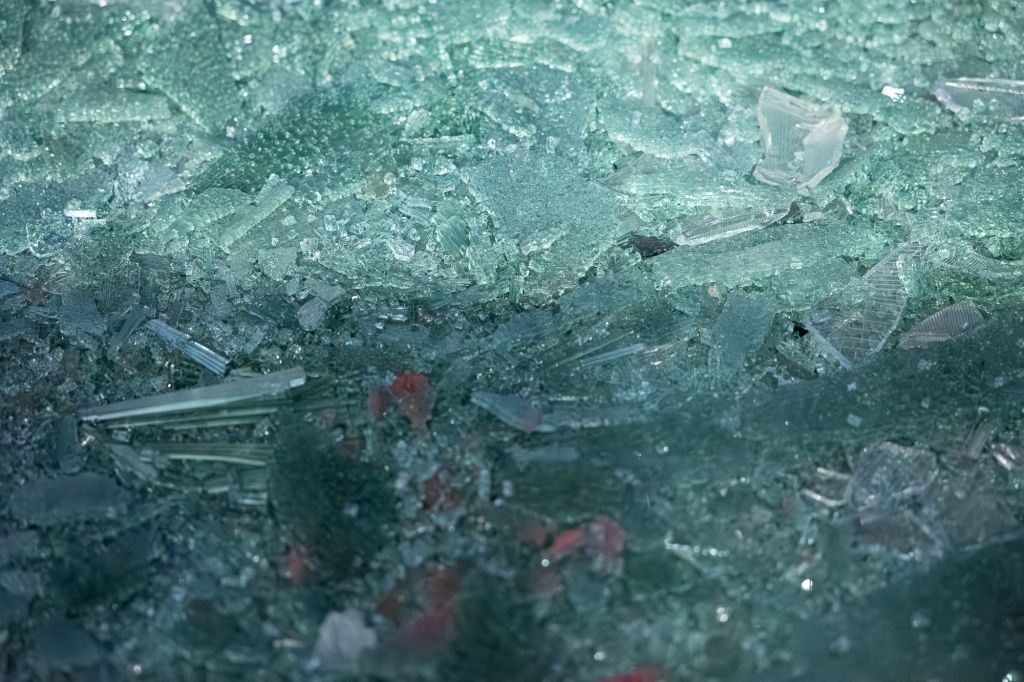
Studies conducted by Turku University of Applied Sciences indicate that the new requirements for glass recycling set out in the regulation on the circularity requirements for vehicle design and management of end-of-life vehicles are feasible to implement but require the development of new methods.
The Turku University of Applied Sciences project on recovering and recycling materials from end-of-life vehicles focusing on glass material aimed to determine how to safely, efficiently, and profitably remove, collect, and recycle glass material derived from vehicles. The project was carried out in collaboration with the following companies: Suomen Autokierrätys Oy, Oili Jalonen Oy, Stena Recycling Oy, and Uusioaines Oy.
Amendments to ELV regulation require new solutions
The new EU regulation on the circular economy for vehicles mandates the removal of at least 70% of the glass material from end-of-life vehicles. The removed glass must be recycled into packaging glass, glass fiber, or other similar applications. Meeting this requirement will require new methods at processing facilities for the efficient and cost-effective removal and separation of the glass.
Current status, recycling and financial feasability
The project produced information on the volume, quality, and suitability of glass material for new products. Currently, automotive glass often breaks during the collection and transport of scrap vehicles, which affects the material’s recycling potential. By testing, developing, and comparing various removal methods for windshields and other automotive glass, effective ways to detach and collect the glass material were identified.

Windshields feature a laminated structure consisting of two layers of glass with a PVB (polyvinyl butyral) interlayer. Pure PVB is a valuable material for recycling that has the potential to improve the economic viability of windshield recycling. The project investigated methods for separating the PVB interlayer to achieve the highest possible purity in the recycled material.
Opportunities for automation
New, more efficient methods for the vehicle dismantling process are required in light of upcoming regulations. Further research is needed to develop the entire ecosystem, particularly regarding the potential of machine vision to identify different vehicle models and guide the use of tools.
Read the whole report on the vehicle-derived glass material removal and collection test here.
An article has been published of the results to Auto Recycling World. Read the article here.