
Source Separation Demonstration of Vehicle-Derived Plastics
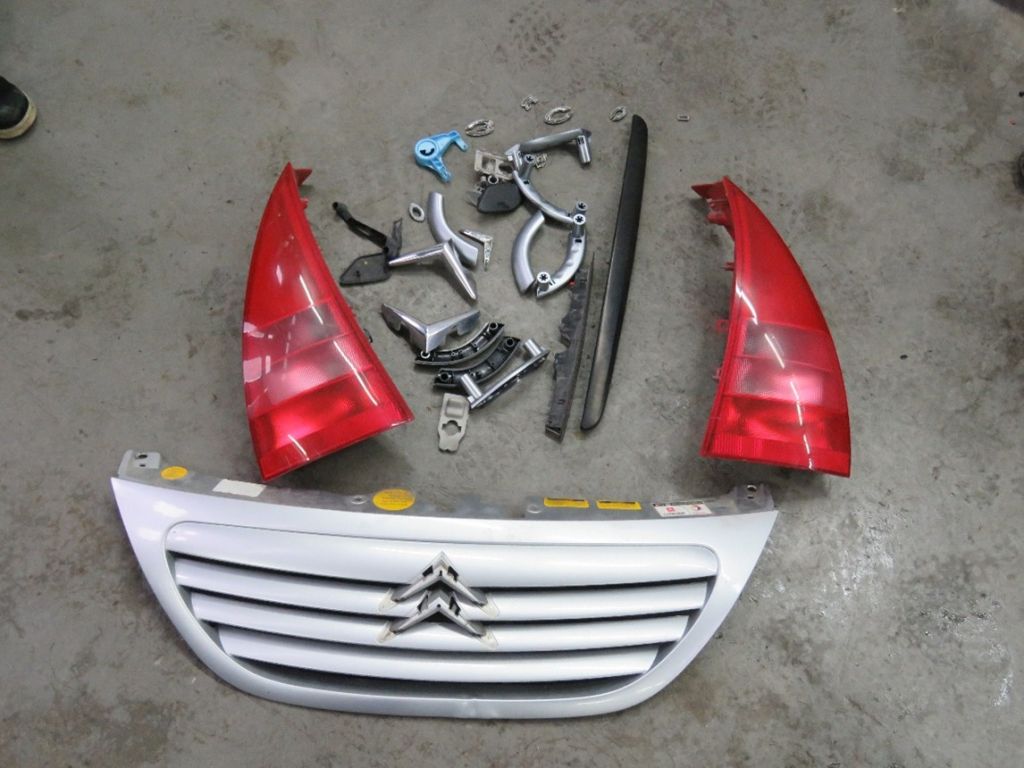
As part of the Autonpurkulinjasto 2.0 project, the potential for source separation of vehicle-derived plastics is being investigated as a component of future vehicle dismantling processes. The upcoming vehicle circularity legislation will introduce new requirements for the material recycling of plastics, highlighting the importance of efficient sorting and recovery methods. This study evaluated, through a practical dismantling trial, how effectively plastic components from end-of-life vehicles can be identified, removed, and sorted into material-specific fractions for recycling.
In the trial, all plastic components considered recyclable were removed from a 2004 Citroën C3 test vehicle. The components were sorted according to their material markings and weighed by plastic type. The results provide insight into the quantities and types of plastics that can be recovered from end-of-life vehicles, as well as identifying the components that offer the greatest potential for cost-effective material recycling. The study also revealed practical challenges related to dismantling and sorting processes, which should be taken into account when designing future recovery operations.
The report provides concrete findings on how plastic recycling from end-of-life vehicles can be improved to meet future circular economy requirements and what changes are needed within the vehicle dismantling industry to enable more efficient material recovery.
Whole report:
➡️Source Separation Demonstration of Vehicle-Derived Plastics