
Source separation of vehicle-derived plastics
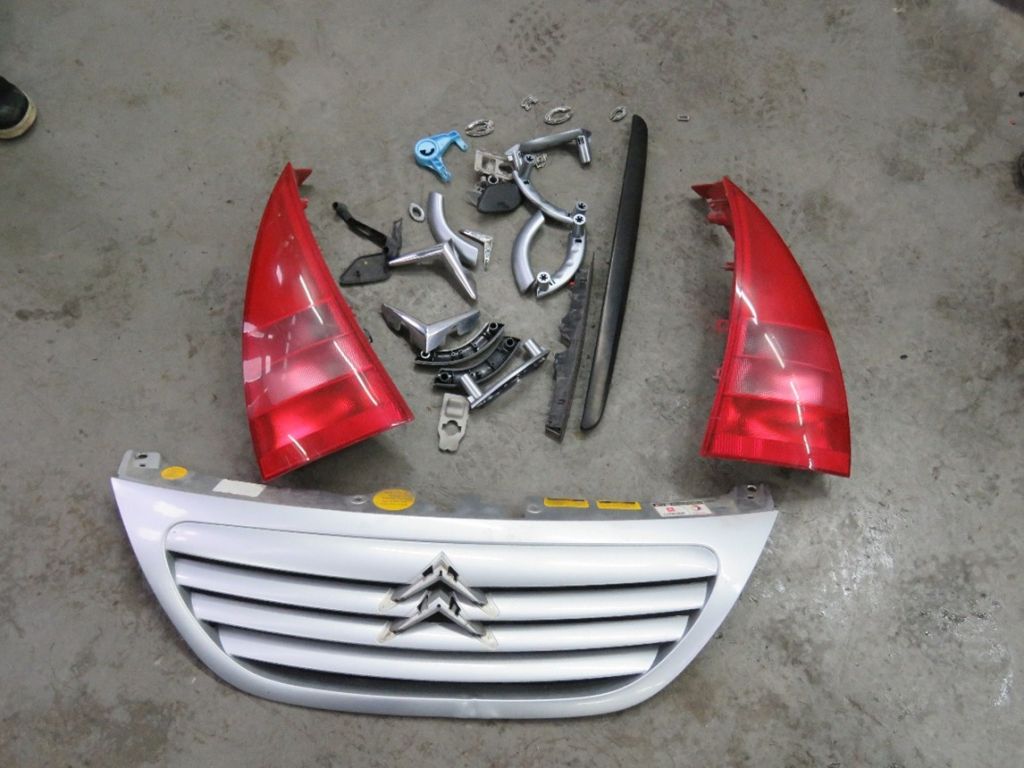
Demonstration on source-separation of plastic material from end-of-life vehicles
The amount of plastic in vehicles has increased significantly in recent decades due to weight reduction solutions, safety requirements, and the development of functional features. Simultaneously, plastic waste streams from end-of-life vehicles in Europe are still primarily directed toward energy recovery or landfills, even though plastics constitute a substantial and potentially recoverable material resource within ELVs
A study at Turku University of Applied Sciences evaluated the practical feasibility of sorting vehicle-derived plastics at source-site during a vehicle dismantling demonstration. The demonstration focused specifically on quantity and quality distribution of recoverable plastic materials, as well as the workload and challenges associated with dismantling and sorting. The study also examined conditions under which sorting at source-site could function as a part of a future low-carbon, circularity-based vehicle dismantling line.
The study was conducted in the form of a dismantling demonstration as part of a project Renewing car recycling in the sustainability transition – low-carbon circular economy car dismantling line and ecosystem. This research produces experimental and applied knowledge, particularly for dismantling operators, development projects, and authorities, as they prepare for more-defined plastic recycling requirements for end-of-life vehicles and the restructuring of dismantling processes.
Potential of source separation in future vehicle dismantling
The upcoming EU regulation changes on end-of-life vehicles requires increasing proportion of vehicle plastic components to be utilized in material recycling. The share of plastic derived from end-of-life vehicles in closed-loop systems will increase with new requirements. This fundamentally alters the pre-treatment and dismantling of end-of-life vehicles, processes that have traditionally focused on metals and the reuse of spare parts. Regarding plastics, a key question arises: to what extent and under what conditions can plastics be separated into material streams that produce high-purity and economically viable solutions as early as the dismantling stage?
Source separation refers to the sorting of plastic materials directly based on their material composition during vehicle dismantling, prior to shredding. The method offers the advantage of higher material purity compared to post-shredding sorting solutions. Its drawbacks typically include labor intensity and a reliance on component accessibility, material markings, and the availability of dismantling instructions. Due to these factors, the practical feasibility of source separation and its role in future vehicle dismantling lines remain insufficiently documented.
Meeting recycling obligations
During the dismantling demonstration, a total of 53.7 kg of plastic material was dismantled and sorted from the vehicle. This represents approximately 5.5% of the vehicle’s weighed mass. PU foams, thermoset plastics, and elastomers were not weight, as they were excluded from recycling. However, visual inspection indicated that the total quantity of recyclable plastics was several times greater than that of non-recyclable plastic materials. Regarding the sorted recyclable plastics, the 30% recycling obligation stipulated by the upcoming regulation on the management of end-of-life vehicles is met with a recyclable mass of approximately 16 kg; in the case of the demonstration vehicle, this was achieved through the bumpers and large plastic components of the door and interior trim.
Source separation and sorting of prohibited and/or permitted POP and other hazardous substances was found impossible through visual inspections of marking in the plastics. The dismantling process should have been supported by access to information from vehicle manufacturers regarding plastic material composition and the location of potential hazardous substances.
Challenges of source separation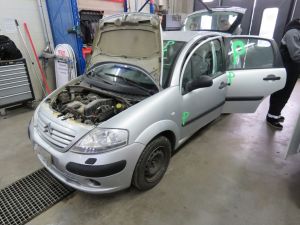
Prior to the demonstration, an attempt was made to gain access to the IDIS (International Dismantling Information System) system, but this was unsuccessful. The system would have provided up-to-date instructions for handling vehicles at their end-of-life stage, including model-specific data from over 70 manufacturers and information on the plastic grades of various components.
The search for suitable tools and locating plastic grade markings took some time during the demonstration. Removing certain parts—such as the dashboard—took significantly longer than other parts. Even with a small, relatively inexpensive car, the dismantling and sorting process took five people several hours; it is therefore reasonable to assume that larger, more modern, and more luxurious vehicle models would require even more time.
The study found that plastic identification markings were present on the vehicle’s plastic components, with the exception of a few parts. Locating these markings proved challenging in part because they were not consistently positioned in the same spot on any of the components; instead, they could be found anywhere. Furthermore, plastic parts located on the vehicle’s exterior had become dirty and worn during use, requiring the removal of dirt to reveal the markings.
Labour-intensity of source separating plastic material
The demonstration showed that sorting plastics at the source of dismantling is technically feasible but labor-intensive: it took five people several hours to dismantle a single small car, sort the plastics, remove specific components (particularly the dashboard and air conditioning unit), and locate material markings. Consequently, economic viability is limited if dismantling is performed solely for the purpose of plastic recycling. Based on the sorting trial, it appears that source separation should ideally target the heaviest plastic components—such as bumpers and door panels—that require minimal additional effort to remove separately.
The upcoming EU regulation on circularity requirements for vehicles sets several targets regarding the dismantling process for end-of-life vehicles. One such change involves the mandatory removal of specific parts and components for reuse and material recycling. Since dismantling a car solely to recover plastic material would not be economically viable according to the results of this demonstration, it is likely more practical to collect the plastic in conjunction with other dismantling activities.
Read the whole report on the demonstration here: Source Separation Demonstration of Vehicle-Derived Plastics
The objective of the Turku University of Applied Sciences project “Renewing car recycling in the sustainability transition low-carbon circular-economy car dismantling line and ecosystem (car dismantling line 2.0)” is to develop new circular economy solutions and working methods for the car dismantling phase – such as the intact removal and reuse of components, source separation material sorting, and more efficient recycling of automotive materials in collaboration with project stakeholders and companies